If you’ve already done Shibuya, Harajuku, and all the classic Tokyo spots, it’s time for a day trip.
Just 30-60 minutes from Tokyo, Kawagoe feels like stepping into an old Japanese movie set. Think traditional streets, giant sweet potato snacks, hidden shrines, cute cafés, and enough photo spots to fill your Instagram dump for the next month.
Here’s exactly how I’d spend one day in Kawagoe.
Why Visit Kawagoe?
Kawagoe is known as “Little Edo” because much of the historic district still looks like Japan’s Edo period (1603-1868).
Unlike some tourist towns that feel overly polished, Kawagoe still has a local atmosphere. You’ll find students, grandparents, foodies, and photographers all wandering the same streets.
It’s one of the easiest day trips from Tokyo and doesn’t require any complicated planning.
How I Got to Kawagoe from Shinjuku 🚆
One of the reasons I love Kawagoe is how easy it is to visit from Tokyo. I can leave my apartment in the morning and be wandering historic streets before I’ve even finished my coffee.
The Route I Take
I usually take the JR Saikyo Line from Shinjuku Station to Kawagoe Station.
- Travel time: around 55 minutes
- Cost: approximately ¥770
- No complicated transfers
It’s one of the easiest day trips from Tokyo, which is a huge win when I don’t feel like navigating five train changes before 10 AM.
A Cheaper Alternative
Sometimes I’ll take the train to Ikebukuro and transfer to the Tobu Tojo Line.
- Travel time: around 45-50 minutes
- Cost: usually a little cheaper
- Trains run frequently throughout the day
Both options are straightforward, so I normally just take whichever train leaves first. Many people recommend the Seibu pass for 1000 yen but I usually don’t. It limits the train options as you can only take Tobu tojo trains and sometimes if you mistakenly got confused and ended up on another train, you can not get off easily. Too much hassle for me personally!
Full Itinerary at Kawagoe
9:00 AM: Start at the Historic Warehouse District
Head straight to the famous Kurazukuri Street.
The traditional clay warehouse buildings are what make Kawagoe famous, and honestly, this area delivers. The streets are lined with shops selling local snacks, ceramics, souvenirs, and matcha treats.
This is where you’ll get those “I’m in old Japan” photos.
Don’t rush. Half the fun is wandering into random stores and trying things that catch your eye.
📸 Best photo tip: arrive before lunchtime if you want cleaner photos without huge crowds.
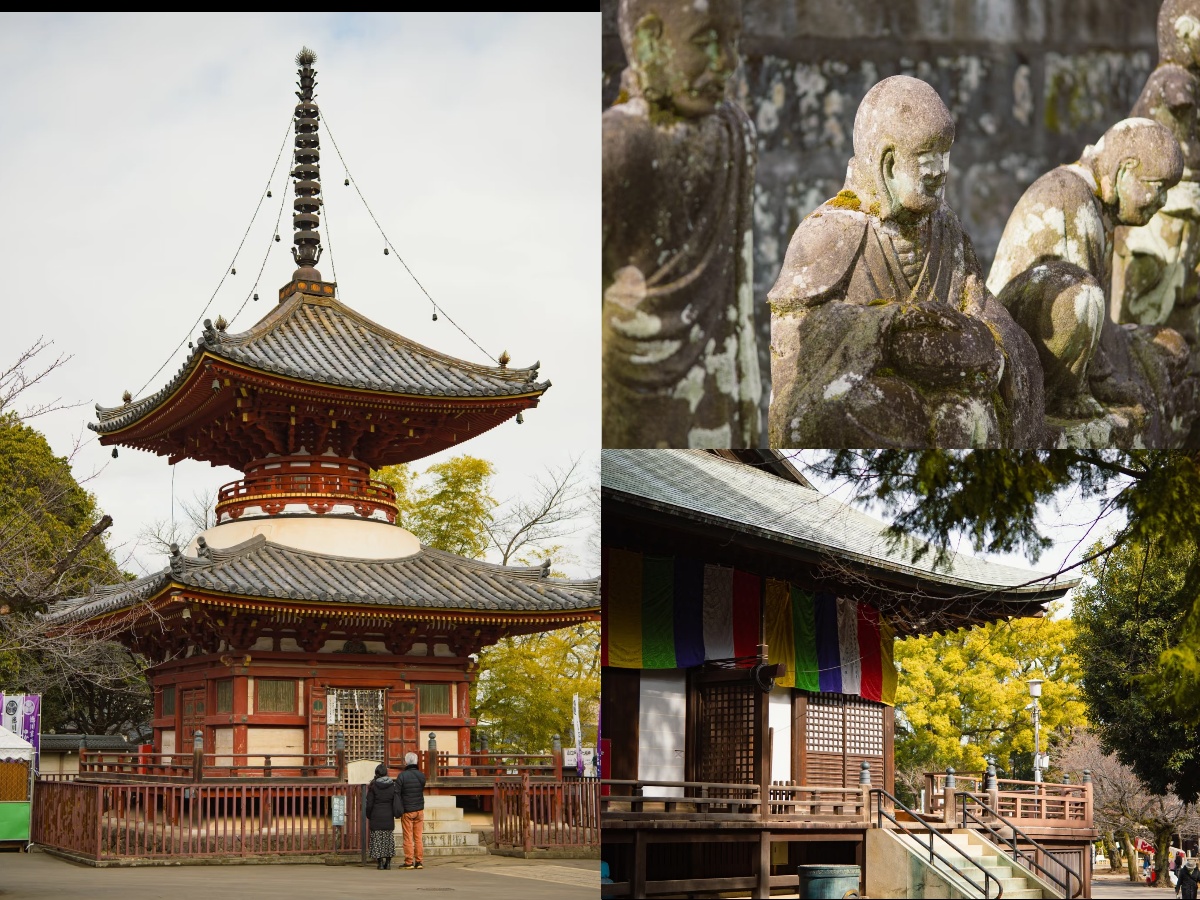
10:00 AM: Kita-in Temple ⛩️
I wasn’t planning to give Kawagoe a glowing review, but Kita-in Temple completely changed my mind. It was easily the highlight of the trip and made the visit worthwhile.
About Kita-in Temple
Kita-in is a Tendai Buddhist temple that dates back to the early Heian period. Originally known as Hoshinoyama Muryoju-ji, it was renamed Kita-in in 1599 when the influential monk Tenkai, a trusted advisor to Tokugawa Ieyasu, became its head priest. Under the protection of the Tokugawa shogunate, the temple flourished.
After a devastating fire swept through Kawagoe in 1638, much of the temple was destroyed. During the reconstruction, the third shogun, Tokugawa Iemitsu, ordered parts of Edo Castle to be relocated here. These included the room where he was born and the dressing room of his wet nurse, Kasuga no Tsubone. As a result, several of the temple buildings are now designated Important Cultural Properties.
The 500 Rakan Statues
One of Kita-in’s most fascinating attractions is its collection of Rakan statues.
The Rakan were disciples of Buddha who followed him and helped spread his teachings. Between 1782 and 1825, craftsmen gradually carved what is commonly known as the “500 Rakan.” In reality, there are 533 statues, each with a unique expression and personality. Some appear joyful, others contemplative, surprised, sad, or even amused.
Alongside the Rakan are statues of Shakyamuni Buddha, Manjushri, Samantabhadra, Amida Buddha, and Jizo Bodhisattva, bringing the total number of statues in the complex to 538.
My Experience
It’s located a little away from the main tourist area, about a 30-minute walk from Kawagoe Station and far from the famous Little Edo shopping streets. Because of this, it feels much quieter and less crowded than the rest of the city.
The temple grounds themselves are free to enter. If you’d like to visit the historic palace rooms and the 500 Rakan statues, admission is just ¥400.
If you’re interested in Japanese history, especially the Tokugawa era, I highly recommend purchasing the ticket. The temple’s peaceful gardens are a beautiful example of wabi-sabi aesthetics, and wandering through the historic rooms with their sliding doors almost feels like stepping into a period drama. (Photography is not allowed inside the buildings.)
Noon: Visit the Iconic Bell Tower (google map link)
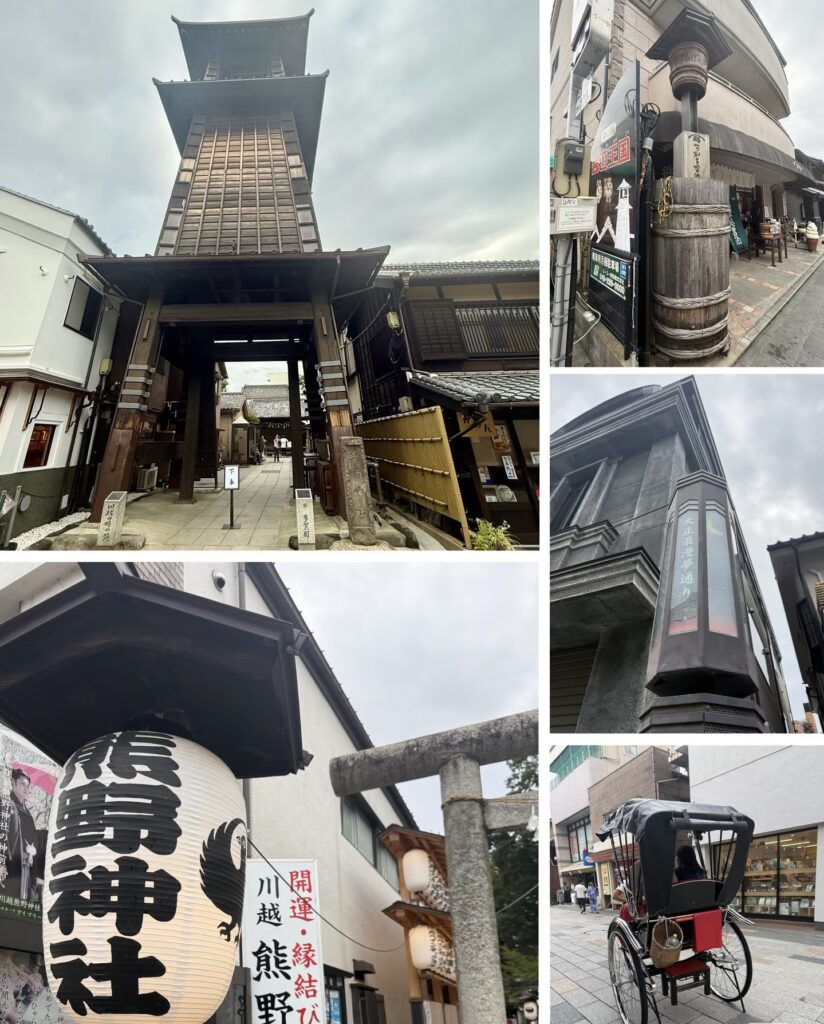
The symbol of Kawagoe is the famous bell tower, known as:
Toki no Kane
The tower has stood in different forms for hundreds of years and still rings out across the town several times a day.
It’s one of those landmarks that feels smaller than you expect in person, yet somehow even more charming up close.
Today, it’s also one of the busiest photo spots in Kawagoe, where everyone gathers to capture a slice of that old-town atmosphere frozen between past and present.
12:30 PM: Lunch Time 🍜
Kawagoe has some surprisingly good food if you know where to look.
You’ll find plenty of options like:
- Grilled unagi (eel) glazed over charcoal
- Warm bowls of soba noodles
- Classic Japanese set meals (teishoku-style comfort plates)
- Small, aesthetic cafés hidden between old wooden streets
- Matcha dessert shops serving everything from soft serve to parfaits
One thing I always pay attention to: if there’s a line outside a local restaurant, it’s usually not accidental.
Recommendations
1. Ogakiku – Unagi (grilled eel)
If you want the “this feels like old Japan” experience, go for Ogakiku.
It’s one of the most famous unagi spots in town, serving slow-grilled eel with a rich, slightly sweet glaze over fluffy rice. Expect a wait, but it moves with purpose like everyone’s agreed the payoff is worth it.
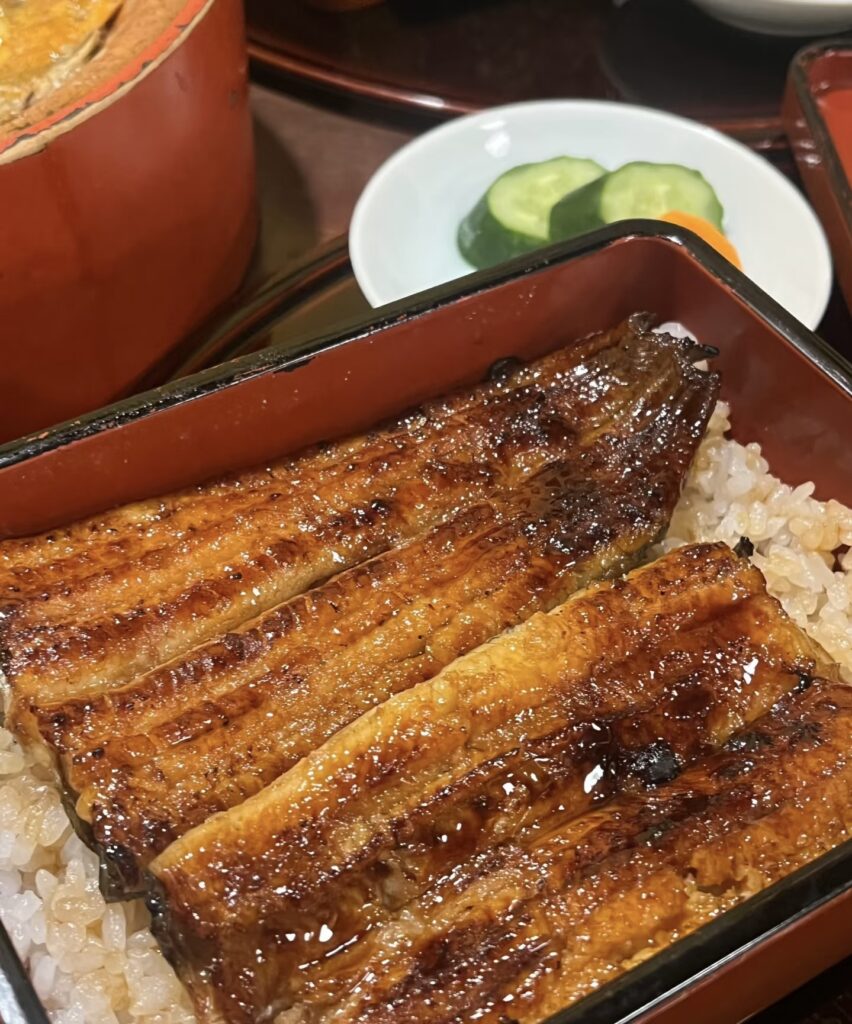
A simple travel rule I swear by, if mostly Japanese people are waiting, I join the queue. It rarely leads you wrong, especially in towns like this where the best spots don’t always shout the loudest.
If you don’t want to wait, visit azumaya. More low-key than Ogakiku, usually easier to get in. Classic unagi don with a slightly more casual, local feel. Good balance of quality and price for the area.
2. Soba restaurant Tomikuya (GOOGLE MAP LINK)
A solid soba option in the old town area.
Simple buckwheat noodles, tempura sets, and seasonal specials, perfect for when I want something lighter before walking more.
2:00 PM: Explore Candy Alley (google map link)
No trip to Kawagoe feels complete without a stroll through Kashiya Yokocho, a charming alley lined with traditional candy shops that have been delighting visitors for generations. Originally established in the early 20th century, the lane became famous for producing affordable sweets for local children and still retains much of its nostalgic atmosphere today.
Walking through the narrow street feels like stepping back in time. The air is filled with the scent of caramelized sugar and freshly made snacks, while shop windows are packed with colorful treats that haven’t changed much in decades. It feels a bit like walking into my grandparents’ snack drawer if that drawer was frozen in the 1950s.
I loved browsing the mix of giant rice crackers, handmade candies, traditional dagashi, and quirky sweets that are becoming harder to find elsewhere in Japan. Even though Kawagoe is famous for sweet potatoes, I thought Candy Alley offered a completely different side of the city’s food culture.
More than anything, I enjoyed the nostalgic atmosphere. It felt like wandering through a living piece of Japanese history, where the shops, snacks, and storefronts have remained largely unchanged for generations.
Even if you don’t purchase anything, it’s a fun place to explore.
3:00 PM: Visit Kawagoe Hikawa Shrine (google map link)
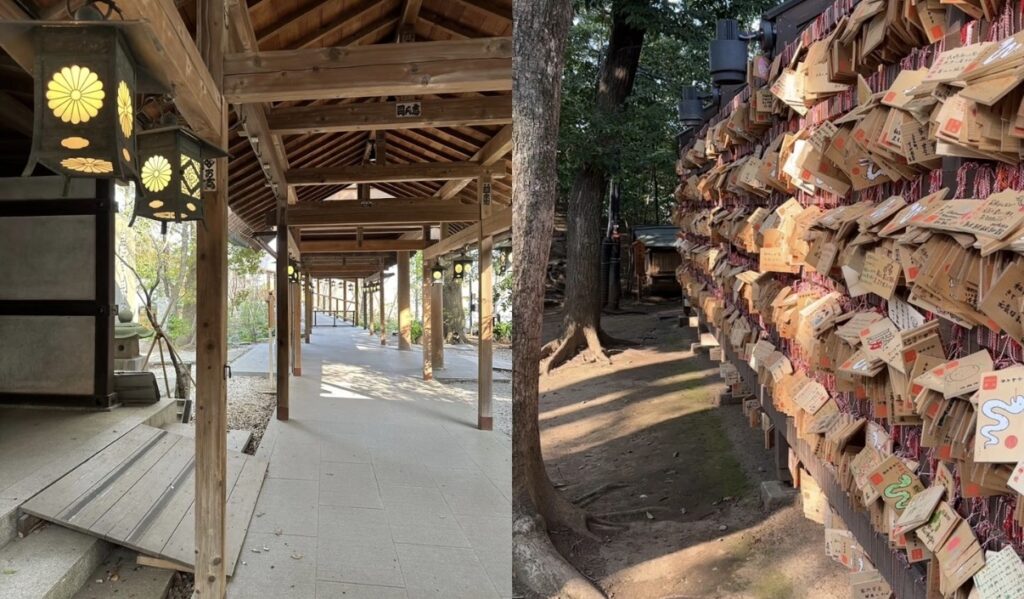
A short walk from the historic district is Kawagoe Hikawa Shrine, one of the most beautiful and popular shrines in the area. With a history spanning over 1,500 years, the shrine is best known for its connection to love, relationships, and matchmaking, attracting visitors from all over Japan who come to pray for good fortune in romance.
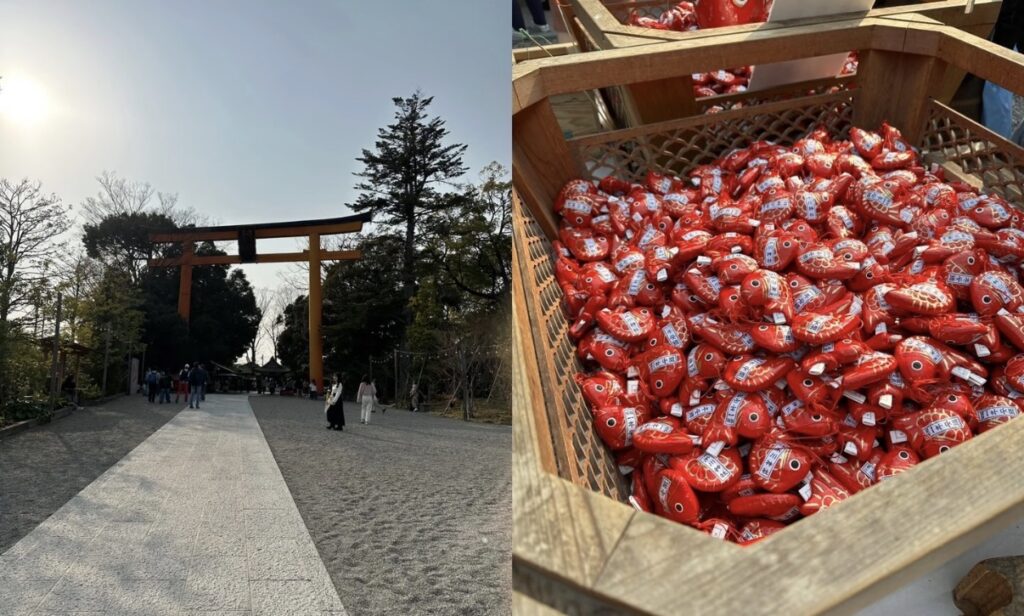
The grounds are peaceful and shaded by towering trees, offering a welcome escape from the busy streets around the Bell Tower. One of the shrine’s most unique traditions is the tai mikuji, a fortune-telling slip hidden inside a small fish-shaped charm that visitors “fish” for using a miniature rod. You’ll also find colorful ema plaques, seasonal decorations, and plenty of picturesque corners that make this one of the most photogenic spots in Kawagoe.
If you’re visiting in summer, the shrine becomes even more magical thanks to hundreds of colorful wind chimes hanging throughout the grounds. The gentle sound of the chimes drifting through the air creates a peaceful atmosphere that feels worlds away from Tokyo.
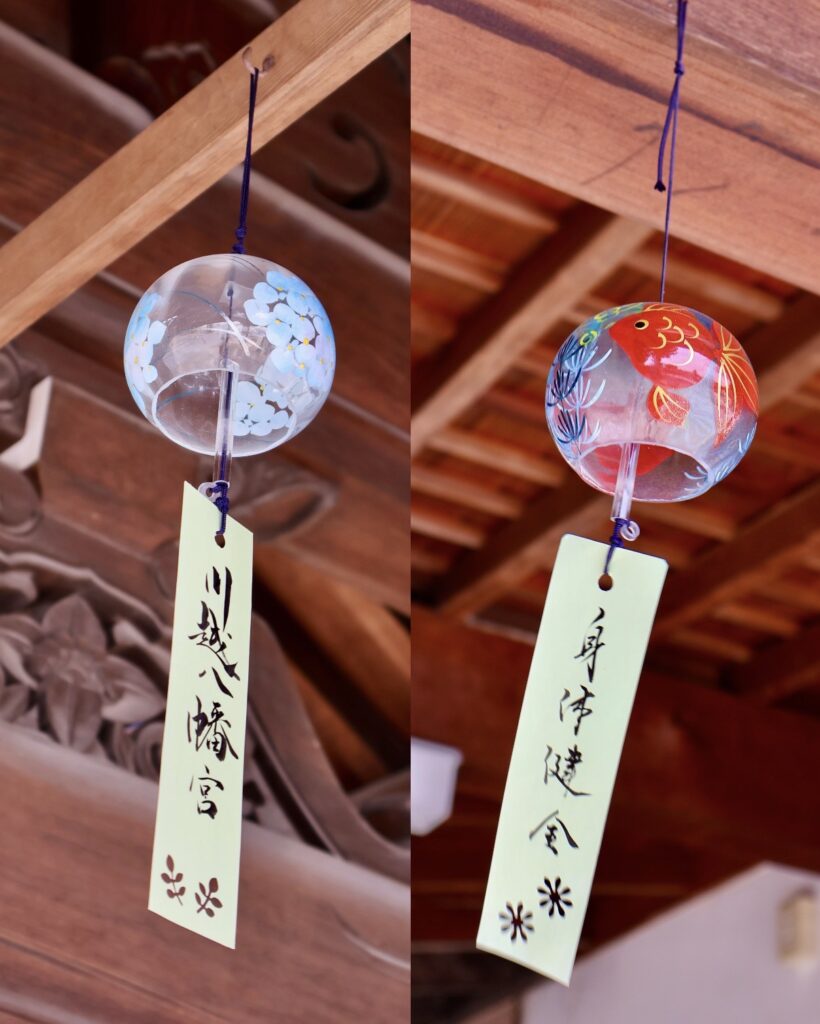
Whether you’re visiting for the blessings, the history, or simply the aesthetics, I think Kawagoe Hikawa Shrine is one of the highlights of any day trip to Little Edo.
Whether you’re single, taken, situationship-ed, or just there for aesthetics, it’s worth visiting.
4:00 PM: Café Break @ Best Matcha Spots in Kawagoe 🍵
After a full day of exploring historic streets, shrine hopping, and sampling more sweet potato snacks than I’d like to admit, I always make time for a café break. While Kawagoe is best known for its Edo-era architecture, it has quietly developed an impressive café scene, with cozy coffee shops, traditional tea houses, and beautifully restored buildings that have been transformed into charming places to relax. Many of these cafés blend old-world atmosphere with modern menus, making them just as much a sightseeing stop as a place to grab a drink.
After hours of walking, grab:
- Matcha latte
- Specialty coffee
- Japanese pudding
- Cheesecake
- Seasonal desserts
Some of my favourites :
- akariya (google map)
- akariya is a traditional Japanese dessert café (甘味処, kanmidokoro) known for serving classic sweets such as anmitsu, cream anmitsu, shiratama mochi, matcha desserts, kakigori (shaved ice in summer), and seasonal Japanese treats alongside tea and coffee
- Matcha Arata (google map)
- Probably the ultimate destination for matcha lovers in Kawagoe. They specialize in high-quality matcha drinks, matcha crepes, mochi, and traditional Japanese sweets with a modern twist. If I’m only stopping at one dedicated matcha spot, this is my pick.
- 1901 Tea Salon (google map)
- A beautiful tea house set inside a restored 120-year-old storehouse. The focus is on premium Japanese teas, but they also serve excellent matcha desserts and seasonal sweets. The atmosphere feels calm and refined, making it a perfect place to slow down after exploring the busy streets of Little Edo.
- Sawawa Kawagoe (google map)
- A popular takeout spot for all things matcha. From rich matcha soft serve and lattes to puddings and other green tea treats, it’s an easy stop while wandering the historic district. I especially recommend it if you’re looking for a quick snack and a matcha fix between sightseeing stops. 🍦🍵✨
Perfect for editing photos, posting stories, or pretending you’re in a travel vlog. The converted traditional buildings make many cafés feel extra cozy and the perfect break away from Tokyo.
5:00 PM: Golden Hour Walk
Before heading back to Tokyo, take one final walk through the historic district.
As the crowds thin and the lanterns begin lighting up, Kawagoe feels completely different.
The old buildings glow, the streets get quieter, and the whole area becomes surprisingly atmospheric.
This is actually my favorite time to be there.
Summary
My day in Kawagoe felt like stepping into a softer, slower version of Japan just outside Tokyo. From wandering the historic warehouse streets and snapping photos by the Bell Tower, to snacking my way through endless sweet potato treats, every corner had something a little unexpected. I explored shrines tucked under towering trees, got lost in nostalgic candy lanes, and took breaks in cozy cafés hidden inside beautifully restored buildings. It was the perfect mix of history, food, and small everyday moments that made the whole day feel easy and unhurried.
Conclusion
Kawagoe ended up being one of those day trips that doesn’t try too hard but still leaves a lasting impression. It’s close enough to Tokyo to feel effortless, yet different enough that it feels like a proper escape. I didn’t rush, I didn’t overplan, and that’s exactly what made it special.
Between the streets of Little Edo, the quiet beauty of Kawagoe Hikawa Shrine, and the nostalgic charm of Kashiya Yokocho, I left feeling like I’d experienced a small pocket of old Japan still very much alive today.
If Tokyo ever feels overwhelming, Kawagoe is where I’d go to slow things down again. Let me know where you would go in Kawagoe.
Leave a Reply